
Overview
Chiropractic Adjustments in Spartanburg, SC
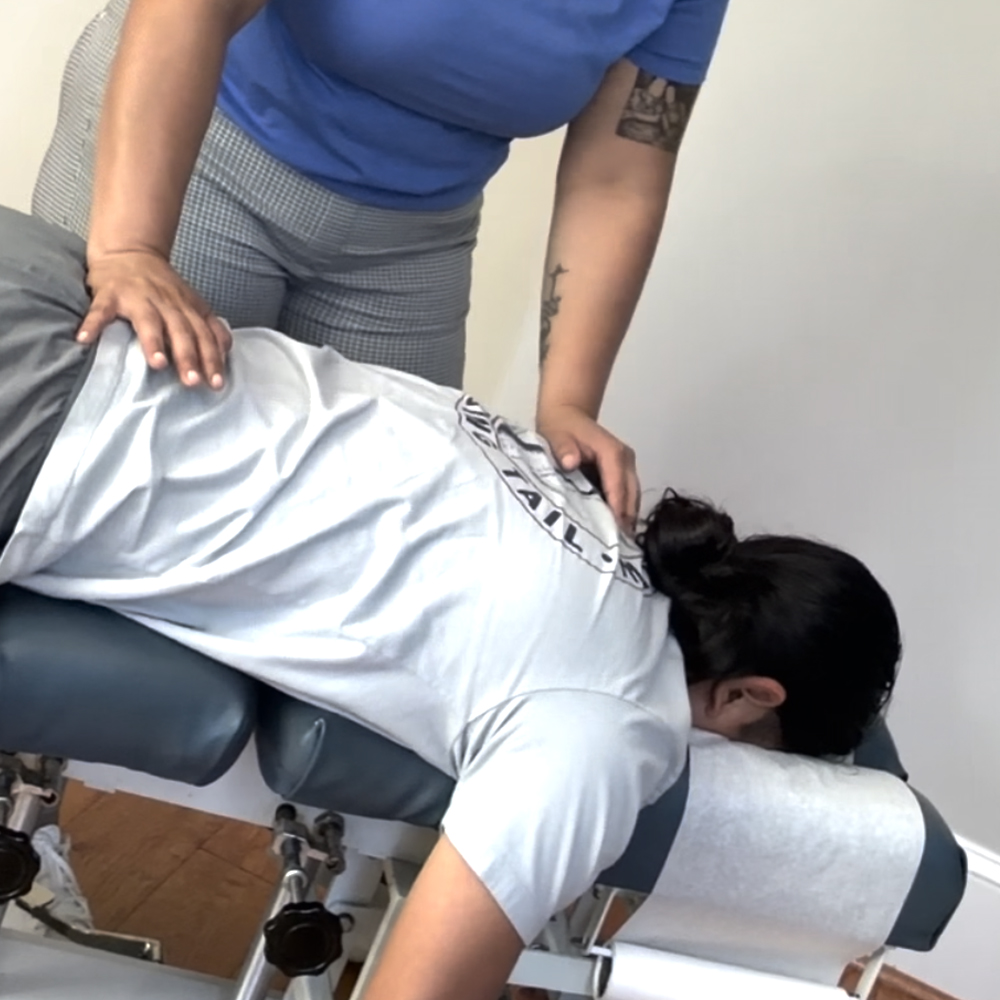
At CorAxis Chiropractic & Wellness, chiropractic adjustments are designed around how your body moves—not just where you feel pain. Every visit begins with understanding your posture, mobility, joint motion, soft tissue tension, and movement patterns so care can be personalized to your body.
Our goal is to improve restricted movement, reduce unnecessary mechanical stress, and help you move with better comfort, control, and confidence.
What Is a Chiropractic Adjustment?
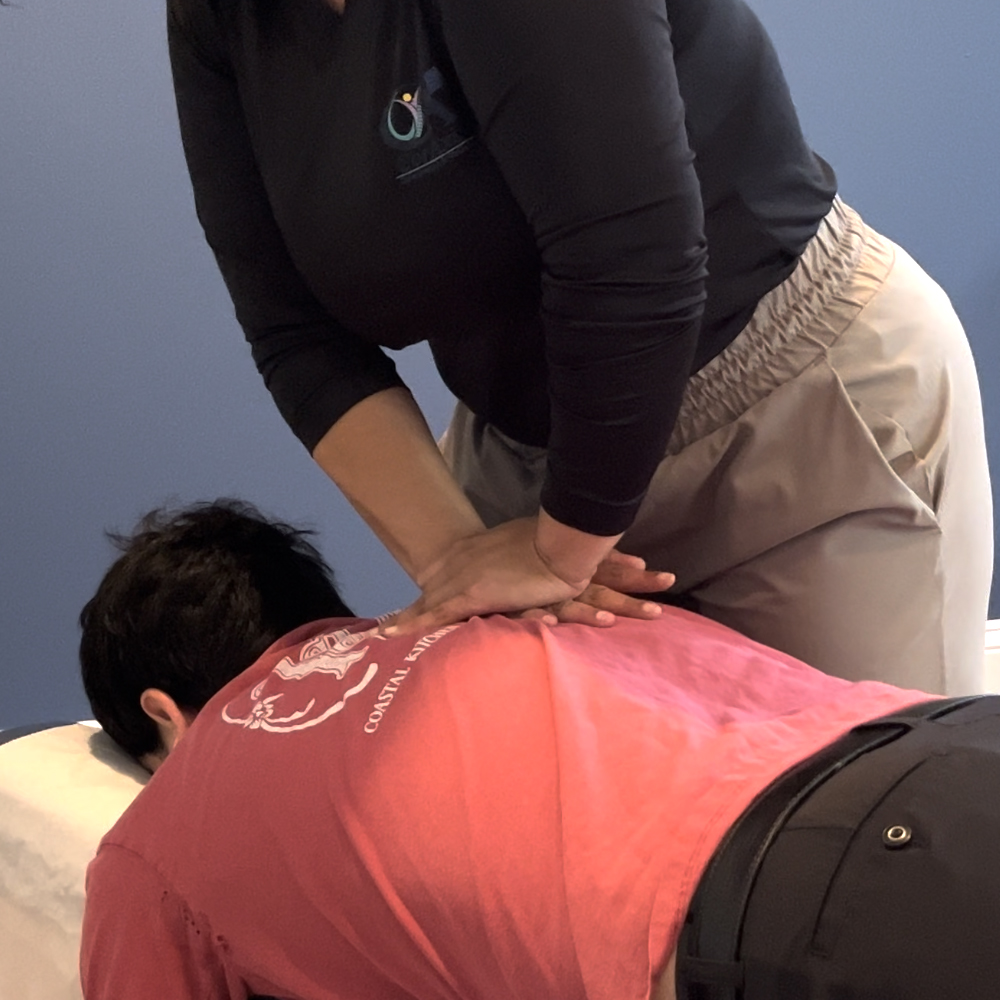
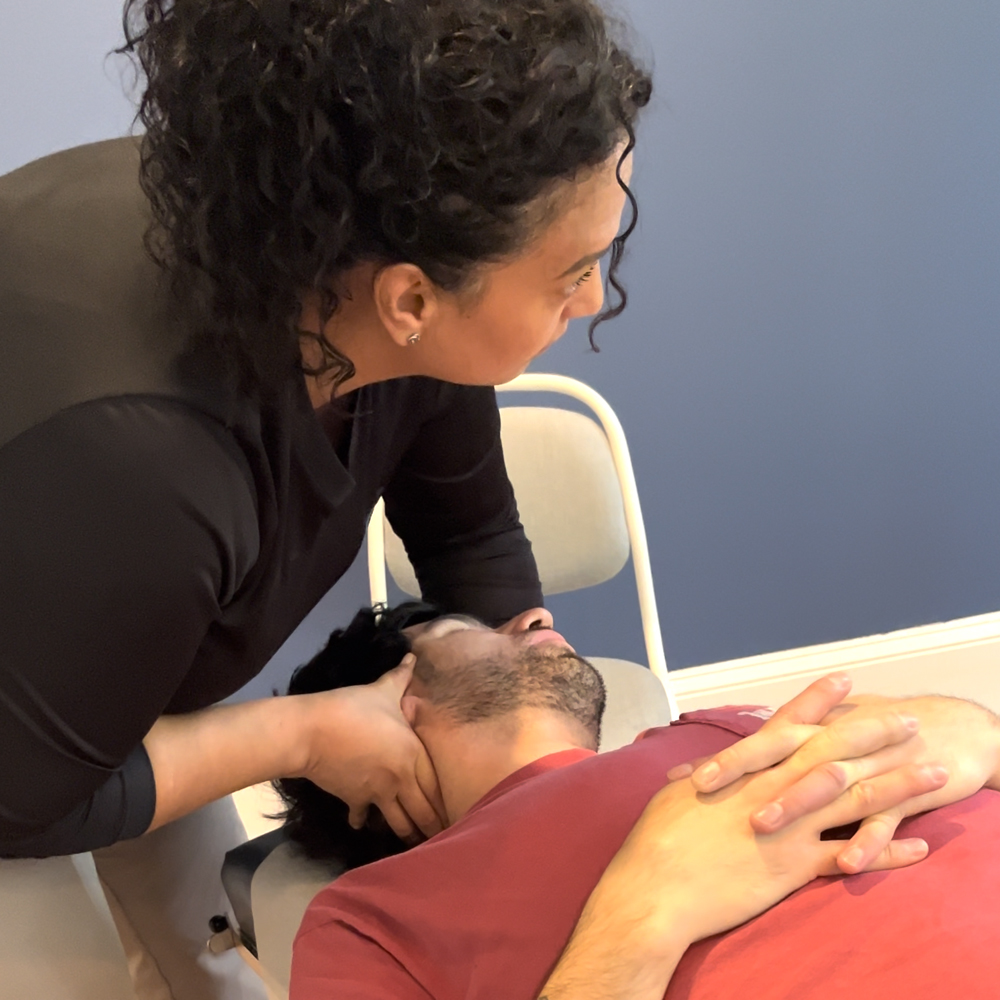
A chiropractic adjustment is a hands-on or instrument-assisted chiropractic technique designed to improve spinal motion, joint mobility, alignment, and overall movement quality.
Your spine plays an important role in supporting your posture, protecting your nervous system, and allowing your body to move efficiently. When spinal joints become restricted or are not moving properly, surrounding muscles and soft tissues may adapt, creating increased tension, stiffness, altered movement patterns, or discomfort.
At CorAxis Chiropractic & Wellness, our chiropractic services are designed to support spinal health, improve joint mobility, identify movement restrictions, and reduce mechanical stress that may contribute to pain, stiffness, and decreased function. Every visit is personalized based on your body, your symptoms, your lifestyle, and your goals.
Our focus is not only on helping manage pain but also on improving how your body moves and functions over time. Depending on your examination findings and preferences, your care may include traditional manual chiropractic adjustments, low-force instrument-assisted techniques such as Activator® or ArthroStim®, soft tissue therapy, movement education, and personalized recommendations to support long-term spinal health and mobility.

Why Movement Restrictions Matter
How the body adapts around restricted movement and mechanical stress.
Pain is not always caused by the area where symptoms are felt. Sometimes the body adapts around restricted movement, poor posture, repetitive stress, or muscle tension. These compensations can place extra mechanical stress on the spine, pelvis, shoulders, hips, ribs, or extremities.
Our approach looks at how your body works together. Instead of using the same adjustment for every patient, we evaluate your movement and choose care that fits your body.
Movement factors we review
Restricted motion can change how the spine, pelvis, ribs, shoulders, hips, and surrounding tissues work together during daily activity.
Posture
We look for positions that may increase mechanical stress.
Mobility
We check how restricted motion may affect nearby joints and soft tissue.
Function
We choose care based on movement patterns, comfort, and goals.
Evaluation
Our Evaluation Before an Adjustment
Before recommending an adjustment, we take time to understand your symptoms, health history, daily activities, posture, mobility, and goals. Your evaluation may include spinal motion, joint mobility, soft tissue tension, orthopedic testing, neurological screening when indicated, and movement assessment.
This helps us determine whether chiropractic care is appropriate and what type of adjustment may be best for you.
Your Visit
What Happens During a Chiropractic Adjustment?
During your visit, we explain what we find and what we recommend before care begins. An adjustment may involve a quick, controlled manual movement or a low-force instrument-assisted technique. The purpose is to improve joint motion and reduce restricted movement.
After the adjustment, we may reassess your movement and provide recommendations such as mobility exercises, posture guidance, soft tissue therapy, or activity modifications.
Options
Manual and Low-Force Adjustment Options
Not every patient needs the same type of adjustment. Some patients prefer traditional hands-on adjustments, while others feel more comfortable with a gentler low-force approach.
CorAxis offers manual chiropractic adjustments as well as instrument-assisted options such as Activator and ArthroStim techniques. These options may be helpful for patients who prefer a lighter approach, feel nervous about manual adjustments, or need care adapted to their body and comfort level.
Conditions
Conditions Chiropractic Adjustments May Help Support
Chiropractic adjustments may be part of care for:
- Neck pain and stiffness
- Low back pain
- Mid-back tightness
- Rib and thoracic restriction
- Headaches related to neck tension or posture
- Sciatica-related mechanical stress
- Hip, pelvis, or SI joint restriction
- Shoulder and upper back tension
- Posture-related strain
- Desk and work-related stiffness
- General mobility limitations
Not every condition requires the same approach. Your care plan is based on your exam findings, symptoms, comfort level, and goals.
Research
What Research Says About Chiropractic Adjustments
Clinical guidelines from the American College of Physicians include spinal manipulation as one non-drug care option for many patients with acute, subacute, and chronic low back pain. These guidelines also emphasize conservative care, patient education, staying active as tolerated, and individualized decision-making.
Research does not suggest that every patient responds the same way. Chiropractic adjustments may provide modest improvements in pain or function for some musculoskeletal conditions, especially when combined with appropriate movement, exercise, education, and lifestyle recommendations.
Safety
Is Chiropractic Care Safe?
Many patients tolerate chiropractic adjustments well. Some people may feel temporary soreness, stiffness, or fatigue after care, especially if an area has been restricted or irritated for a while.
Your safety matters. Please share your full health history, medications, recent injuries, surgeries, osteoporosis, neurological symptoms, pregnancy status, or other medical conditions before care begins. This helps us determine whether chiropractic care is appropriate or whether another referral is needed.
Why CorAxis
Why Choose CorAxis Chiropractic & Wellness?
CorAxis Chiropractic & Wellness is located in Spartanburg, SC and serves patients from Spartanburg, Greenville, Boiling Springs, Duncan, Moore, Roebuck, and the surrounding Upstate communities.
Our approach is movement-based, personalized, and educational. We do not believe in routine care that looks the same for every patient. Every recommendation begins with understanding how your body moves, what may be creating mechanical stress, and what type of care fits your needs.
Frequently Asked Questions
Frequently Asked Questions About Chiropractic Adjustments
What does a chiropractic adjustment do?
A chiropractic adjustment is used to improve joint mobility and support better movement quality. At CorAxis, adjustments are based on your evaluation, symptoms, comfort level, and goals.
Does a chiropractic adjustment hurt?
Most patients tolerate adjustments well. Some may feel temporary soreness or stiffness afterward, especially if the area has been restricted or irritated.
Do I have to get my neck or back twisted?
No. CorAxis offers both manual and low-force adjustment options. If you prefer a gentler approach, we can discuss instrument-assisted techniques such as Activator or ArthroStim.
Why do I hear a popping sound during an adjustment?
The sound can happen when gas pressure changes inside a joint. The sound itself is not the goal of the adjustment. The goal is improved movement and function.
How many chiropractic visits will I need?
The number of visits depends on your condition, exam findings, lifestyle, goals, and how your body responds to care. Your recommendations are personalized after your evaluation.
Can chiropractic adjustments help with posture?
Chiropractic care may help improve mobility and reduce mechanical stress related to posture. Long-term posture improvement usually also requires movement education, strengthening, mobility work, and better daily habits.
Is chiropractic care only for back pain?
No. While many patients seek chiropractic care for back pain, adjustments may also support movement and function in the neck, mid-back, pelvis, ribs, shoulders, hips, and other joints when clinically appropriate.
Can I exercise after an adjustment?
This depends on your condition and the type of care provided. Many patients can stay active as tolerated, but your doctor may recommend specific modifications based on your symptoms and exam findings.
Is low-force chiropractic care available?
Yes. CorAxis offers low-force options, including instrument-assisted techniques, for patients who prefer a gentler approach.
Do you serve patients outside Spartanburg?
Yes. CorAxis serves patients from Spartanburg, Greenville, Boiling Springs, Duncan, Moore, Roebuck, and surrounding Upstate South Carolina communities.
References
References
American College of Physicians. Noninvasive Treatments for Acute, Subacute, and Chronic Low Back Pain: A Clinical Practice Guideline.
National Center for Complementary and Integrative Health. 6 Things To Know When Selecting a Complementary Health Practitioner.
Schedule a Visit
Schedule a Chiropractic Visit
If you are feeling stiff, sore, restricted, or unsure why your pain keeps coming back, a movement-based chiropractic evaluation can help identify what may be contributing to the problem.
Schedule a visit with CorAxis Chiropractic & Wellness and take the next step toward moving better.